
What if one of the most powerful weapons you can carry into the year ahead is not greater effort—but learning to rest in God?
What if the Hebrew year 5787 contains a timely reminder about spiritual warfare, repentance, trusting God, and preparing for the return of Jesus? In this teaching, Ps Enoch Lavender explores the biblical symbolism associated with the Hebrew year 5787 and draws out practical lessons for believers seeking to walk closely with God in the year ahead.
The Hebrew year 5787 falls within the decade associated with the Hebrew letter Pey (פ), traditionally connected with the number 80 and the mouth or speaking. The final number, seven, corresponds with the Hebrew letter Zayin (ז), associated with a sword or weapon. Together, these ideas provide a striking reminder of the importance of the spoken Word of God. Scripture describes God’s Word as the sword of the Spirit, and Jesus Himself resisted temptation by answering the enemy with Scripture. Yet seven also points us toward another major biblical theme: the Sabbath and rest.
At first, a weapon and rest may seem like opposites. Yet this teaching suggests that one of our greatest spiritual weapons is learning to stop striving and trust God to fight for us. Sabbath required faith: God was their provider, protector and source. This challenges our modern culture of constant achievement. We are often taught that our value comes from what we accomplish, produce or accumulate. Even Christian ministry can become dominated by activity and deadlines. Rather than asking first, “What can I achieve this year?”, perhaps the better question is, “How can I draw closer to God?” From that place of relationship and dependence, we can allow Him to direct and empower the work He actually wants us to do.
Significantly, the first day of the Hebrew year 5787 falls on a Sabbath. The Sabbath also points beyond our weekly routines toward the coming Messianic Kingdom. Jewish tradition has described the Messianic Age as a day that is “altogether Sabbath”—connecting six days of work followed by Sabbath rest with six thousand years followed by the Messiah’s reign. In this understanding, Sabbath becomes a weekly prophetic reminder that this present age will not continue forever. That means there is also an urgency to the message. Before Sabbath arrives, preparation must take place. In the same way that Jewish families traditionally prepare before sunset on Friday, believers are called to live ready for the coming King. Are there relationships that need reconciliation? Is there someone we need to forgive? Is there something God has asked us to do that we have delayed? Is there someone with whom we need to share the gospel? There comes a point when the opportunity to prepare has passed.
The Hebrew letter Zayin offers another fascinating picture. Its traditional form includes what is described as a crown, while its structure can be connected with the Hebrew letter Vav, pictured as a man or a nail. The teaching draws from this a picture of the crowned Man who was nailed—Jesus the Messiah.
The message of 5787 therefore ultimately points beyond numbers and letters toward the King Himself. The challenge is to crown Him Lord in our own lives. Rest means acknowledging that He is God and we are not. We cannot fix everything, control everything or transform ourselves through sheer determination. We are called to obey Him, trust Him and allow Him to accomplish His work within us. Finally, the teaching highlights a memorable connection between the Hebrew words Shabbat (שבת) and tashev (תשב), presented here with the meaning of repentance or returning. The same Hebrew letters can be rearranged, providing a powerful illustration: repentance leads us into rest. When we turn away from stubbornly pursuing our own way, striving in our own strength and holding onto things God is asking us to surrender, we can experience deeper rest with God and with others.
May 5787 be a year in which we learn not merely to work for God, but to rest in Him, hear His voice, obey His direction and prepare for what is to come.


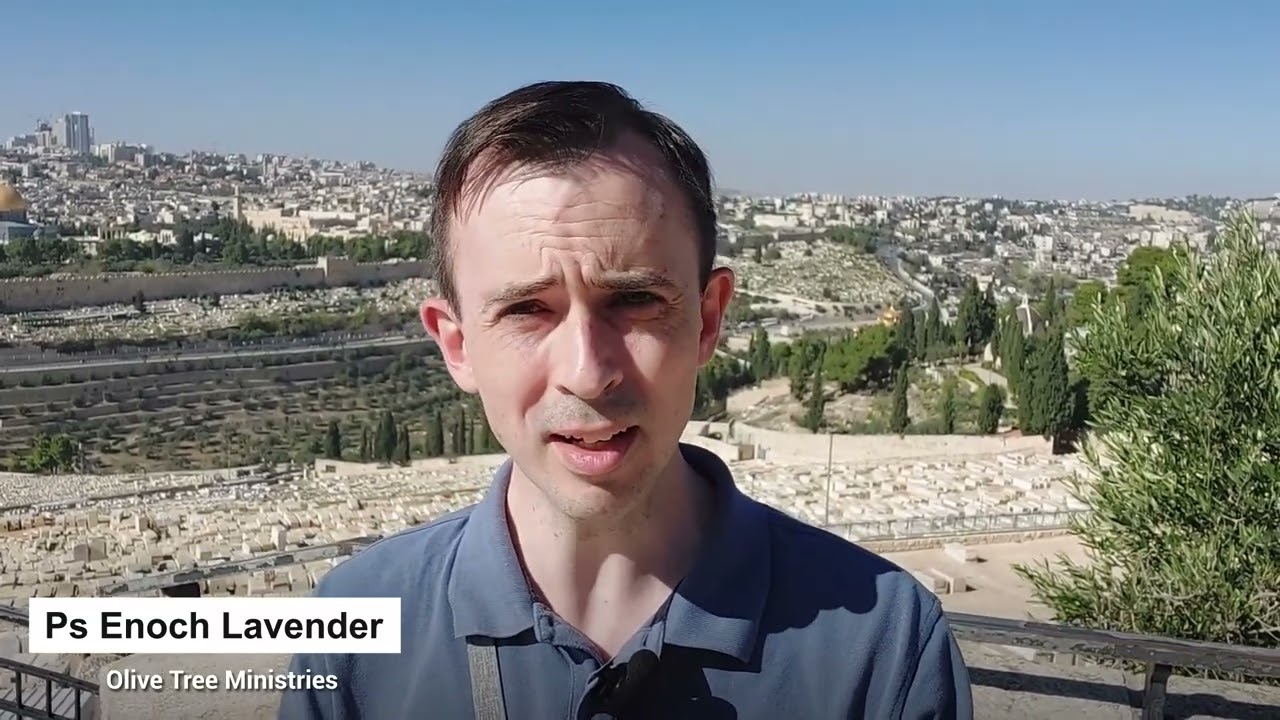
Ps Enoch Lavender was born in Australia, raised in Norway, spent time living in China and is now based on the Gold Coast of Australia. He has been studying Hebrew and the Jewish roots of our faith for the past decade, and has a keen interest in the Middle East from a Bible prophecy perspective.
Contact Enoch and Olive Tree Ministries




Hi Enoch, always informative and encouraging with your message, l really enjoyed how you explained about the new year and Rosh Hashana. thank you. Many Blessings for you, Sarah and your children.